


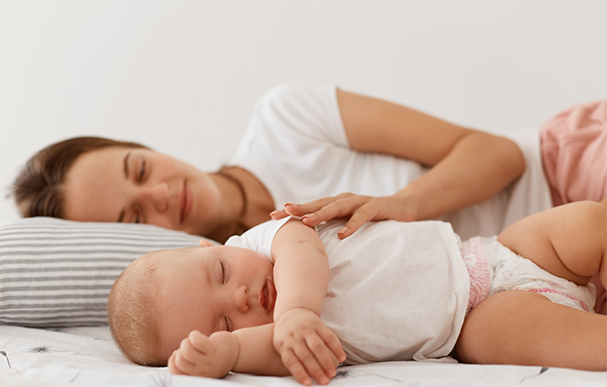
Setting up your nursery is an incredibly exciting milestone for any parent. Beyond the beautiful aesthetics and carefully chosen decor, safety remains the absolute priority. Sudden Infant Death Syndrome (SIDS) is a genuine concern for every family welcoming a new life. Fortunately, medical research provides crystal-clear guidelines to drastically mitigate these risks.
When you live in the Emirates, standard international advice meets unique local factors. You have to navigate continuous air conditioning, regional furniture options, and extreme outdoor temperatures that affect indoor climates. Ensuring safe sleep for your baby in Dubai requires specific adjustments to standard protocols. Let’s break down exactly what you need to do at night so you can actually get some rest too, knowing your child is entirely secure.
The Non-Negotiable Golden Rule: Back to Sleep
During the first twelve months of life, your infant must sleep on their back for every single nap and nighttime stretch. Extensive evidence shows this position keeps the airway completely open. It significantly lowers the risk of aspiration and is the cornerstone of SIDS prevention globally.
Many new parents worry that a baby might choke if they spit up while lying on their back. Your infant’s anatomy and natural gag reflex are biologically built to prevent exactly that. The risk of suffocation is actually much higher when they sleep on their side or their tummy. You should never compromise on this rule, regardless of how tired you are or how much better they seem to settle on their stomach.
Once your little one builds enough core strength to roll over independently in both directions—from back to front and front to back—you don’t need to flip them back constantly throughout the night. The crucial detail is simply placing them in the correct initial back-sleeping position when you lay them down.
Designing a Hazard-Free Crib Environment
Minimalism is your greatest ally here. Forget those stylized catalog photos featuring fluffy pillows, braided bumpers, and massive teddy bears. A truly safe crib only needs three things: a firm mattress, a fitted sheet, and the baby.
- The mattress: It must be rigid and fit snugly inside the crib frame. You shouldn’t find any gaps around the edges where tiny limbs or heads could get trapped. If your hand sinks easily when pressing down, the surface is far too soft for an infant.
- Skip the crib bumpers: Even though many local stores still sell them, traditional padded bumpers present a serious strangulation and suffocation hazard. They also severely restrict crucial airflow inside the crib. Babies simply don’t generate enough force to hurt themselves against bare wooden slats.
- Keep it bare: No duvets, no loose blankets, and absolutely no sleep positioners or anti-roll pillows. Any soft object in the sleeping environment elevates the danger of suffocation to alarming levels. Keep the sleep surface completely clear.
Room Sharing vs. Bed Sharing: Finding the Balance
Major pediatric associations recommend keeping the crib in your bedroom for at least the first six months. Ideally, you should continue this practice for the entire first year. Being close facilitates nighttime feeding, soothes the infant faster, and allows you to monitor them easily while you rest.
However, co-sleeping in the exact same adult bed introduces major risks. Extreme parental exhaustion, soft adult mattresses, and heavy duvets multiply the chances of a tragic accident. The risks are simply too high to justify the convenience.
A perfect alternative is using a safety-approved bedside bassinet. These attach securely to your bed frame but keep the infant in their own rigid, clear space. You get the proximity you crave for late-night nursing without compromising safety.
Beating the UAE Heat: Air Conditioning and Room Temperature
The thermal shock during summer in the Gulf is intense. Managing your bedroom’s climate requires daily attention because overheating is one of the highest risk factors linked to SIDS, and it happens incredibly easily.
Internationally, experts suggest a room temperature between 16°C and 20°C. In Dubai, maintaining that without blasting freezing air is tough and often uncomfortable. A target of 20°C to 22°C is perfectly fine, provided you dress the child appropriately for that specific climate.
Follow these basic AC rules:
First, never point the AC vent directly at the crib. Position the sleeping area where the airflow circulates the room rather than hitting the baby directly. Second, ventilate the space whenever the weather permits to keep the air fresh. Relying entirely on artificial cooling without fresh air turnover is not ideal for your newborn’s respiratory health.
Decoding Tog Ratings and Sleep Sacks
Loose blankets are a massive hazard for infants under twelve months. They can easily kick them up over their faces. Instead, use wearable blankets or sleep sacks to keep them cozy under the continuous AC.
Pay close attention to the TOG rating, which measures thermal insulation. For an air-conditioned room in a Dubai summer, a 0.5 or 1.0 TOG sleep sack paired with a light cotton bodysuit is usually ideal. Avoid fleece or heavy synthetic fabrics that trap heat.
To check if your child is too warm, do not touch their hands or feet. Tiny extremities naturally feel cold due to an immature circulatory system. Instead, feel the back of their neck or their chest. If their skin feels sweaty or unusually hot, remove a layer immediately. Also, never put a hat on a sleeping baby indoors, as they release excess body heat almost entirely through their heads.
The Pacifier Advantage During Bedtime
Beyond the physical environment, specific daily habits act as proven protective factors. Offering a pacifier at sleep times significantly drops the SIDS risk. The exact mechanism is still being studied, but it is believed to help keep the airway open and prevent the baby from falling into an abnormally deep sleep.
If it falls out while they are sleeping, don’t worry about it. You don’t need to force it back in or wake them up. If you are breastfeeding, simply wait until nursing is well established—usually around three to four weeks—before introducing the pacifier to avoid nipple confusion.
Creating a Smoke-Free Sanctuary
It is absolutely vital to keep the environment entirely free of tobacco and e-cigarette vapor. Secondhand smoke severely damages a baby’s developing respiratory system and creates a highly dangerous sleep environment.
Exposure to smoke also impairs their natural arousal mechanisms if they experience a drop in oxygen levels. Ensuring a completely smoke-free home and car is a fundamental pillar of nighttime safety. If someone in the household smokes, they should do so outside and change their clothes before handling the baby.
The Role of Breastfeeding in Sleep Safety
Whenever possible, providing breast milk offers incredible benefits that extend into nighttime safety. Studies indicate that breastfeeding exclusively or partially can reduce the risk of SIDS by up to 50%.
Breast milk provides essential antibodies that protect against respiratory infections, which are a known vulnerability factor for SIDS. Additionally, breastfed babies tend to wake more frequently, which naturally keeps them out of the overly deep sleep cycles associated with sudden infant death. Even if you are combination feeding, any amount of breast milk provides a protective layer.
Navigating Daytime Naps in a Bright City
Safe sleep rules apply 24/7. Whether it is a quick afternoon nap while you work from home or deep nighttime slumber, the environment must remain totally consistent.
Avoid letting your little one sleep in a car seat, bouncer, or stroller for extended periods. When you come back inside from a walk around the marina or a trip to the mall, transfer them to their firm crib surface immediately. Positional asphyxiation is a silent danger when babies sleep in inclined devices. Consistency builds strong sleep associations and keeps them protected around the clock.
Securing your baby’s rest requires discipline and a commitment to ignoring social media aesthetic trends. By keeping the crib completely bare, managing your home’s climate smartly, and always using the back-to-sleep position, you build the optimal environment for your child to thrive safely.
Frequently Asked Questions (FAQs) About Baby Sleep in Dubai
What is the ideal room temperature for a baby sleeping in Dubai? While global guidelines suggest 16°C to 20°C, aiming for a comfortable 20°C to 22°C is more realistic and safe in the UAE, provided your baby is dressed in appropriate, breathable layers (like a 0.5 or 1.0 TOG sleep sack).
Can I use a light blanket if the AC makes the room too cold? No. Loose blankets pose a severe suffocation risk for babies under 12 months. Always opt for a wearable sleep sack or swaddle to keep your baby warm without the danger of loose fabrics covering their face.
Are crib bumpers safe to use if they are made of breathable mesh? No crib bumpers are considered 100% safe. Even mesh bumpers can pose entanglement risks and are strongly discouraged by pediatric experts worldwide. Keep the crib entirely bare.
When is it safe to introduce a pillow or blanket? The American Academy of Pediatrics advises against putting pillows, blankets, or stuffed animals in the sleep area until your child is at least 12 months old, though many experts recommend waiting until they are 18 months or transition to a toddler bed.